Ethnic Essence Canvas — Tribal & African-Inspired Wall Art for Indian Homes
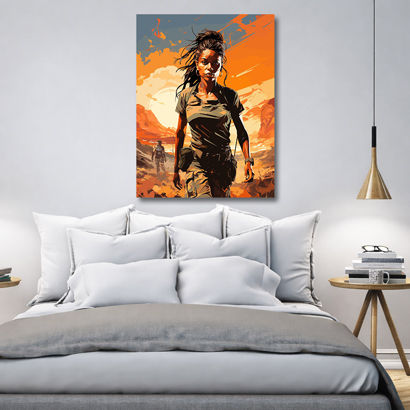
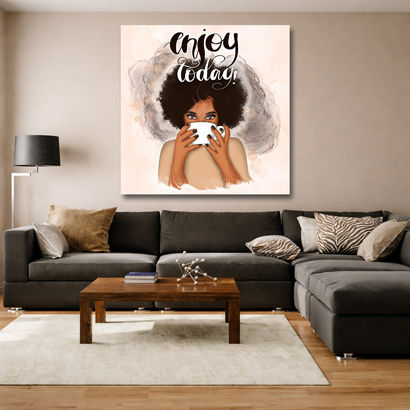
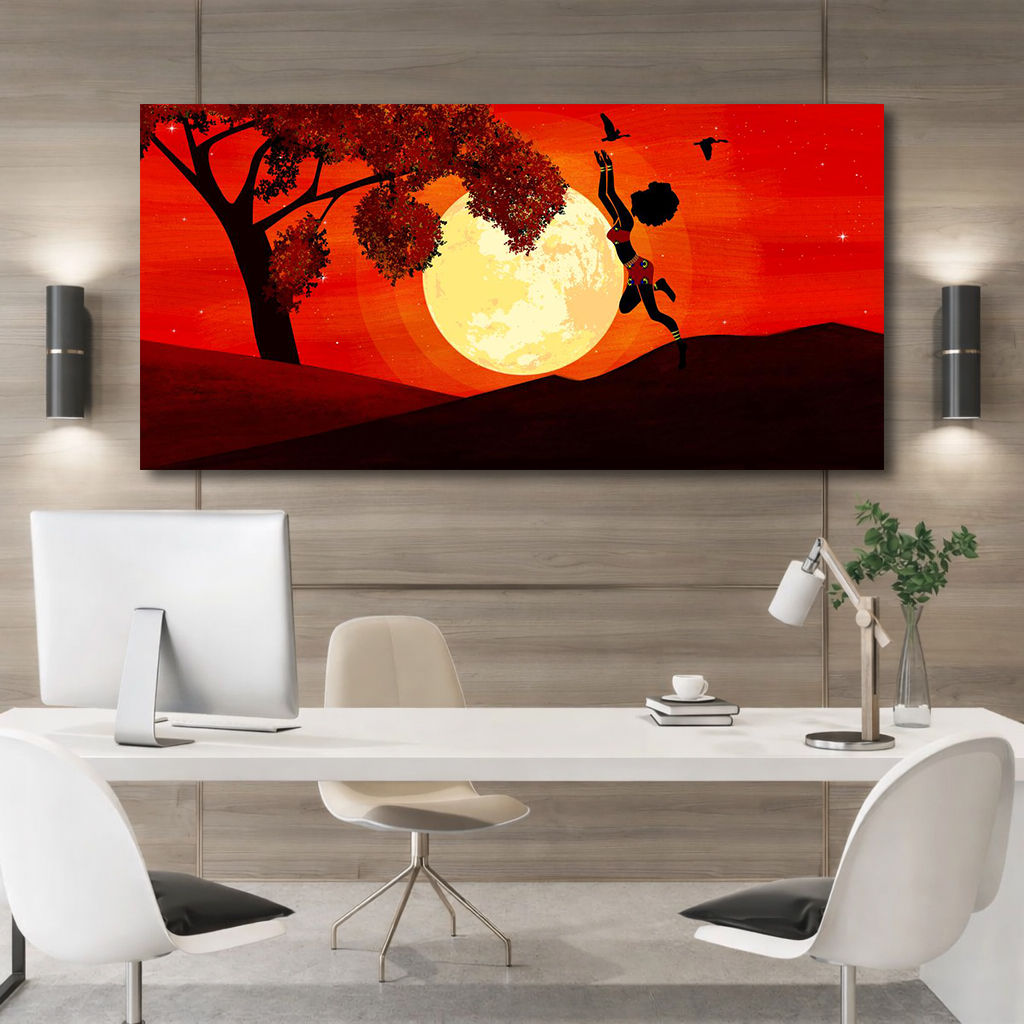
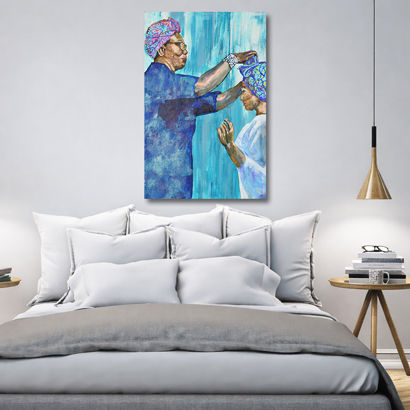
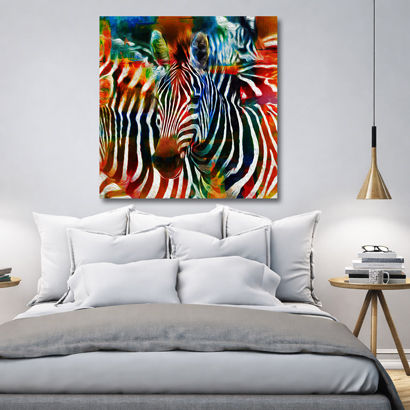
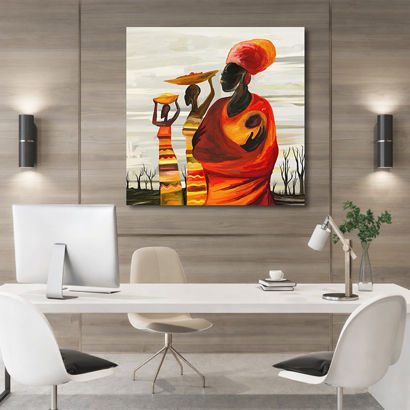
The Ethnic Essence collection celebrates the strength, colour, and culture of tribal and African-inspired art. Instead of florals or landscapes, these canvas prints feature tribal women portraits, African cultural heritage scenes, and rural village and folk-dance imagery — rendered in styles ranging from bold, vibrant abstraction to quiet, minimalist monochrome. Each design is printed on premium canvas and finished as Roll Canvas, Ready to Hang with a wood frame, or a Floating Frame, so it arrives ready to go straight on your wall.
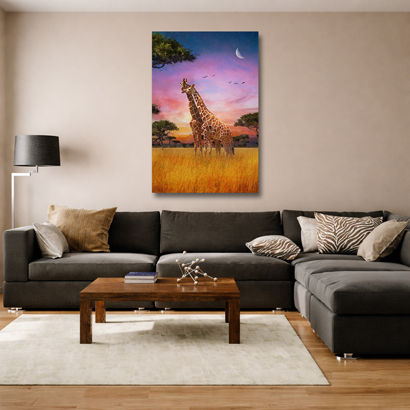
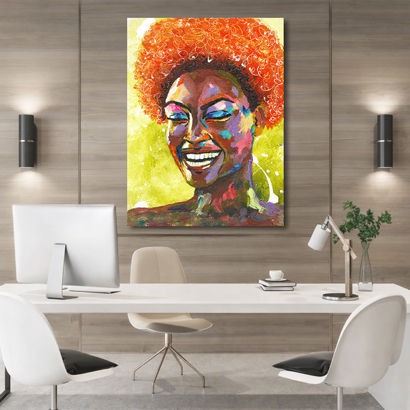
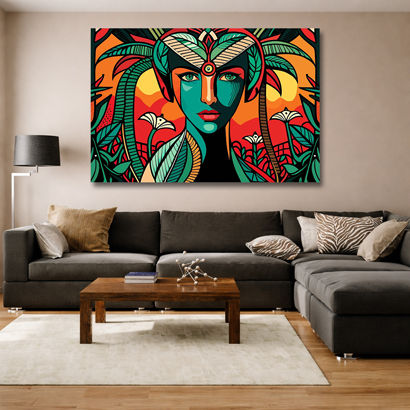
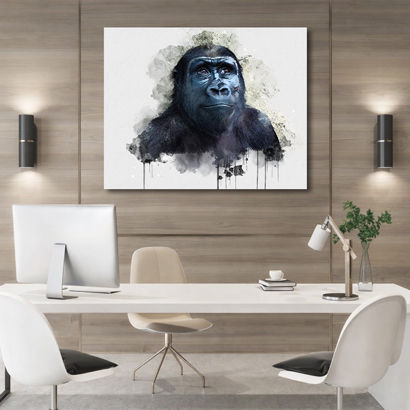
More about this category
Tribal Women Portraits: The Heart of This Collection
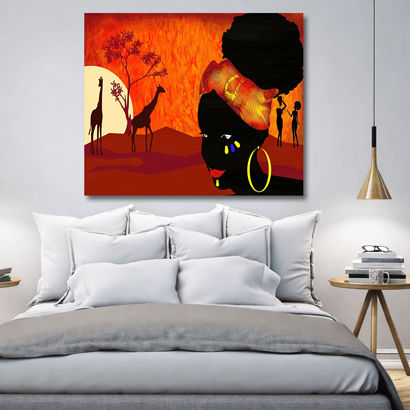
Many of our best-selling Ethnic Essence pieces are portraits of tribal women — carrying pots, dressed in traditional attire, or captured mid-celebration. These designs work well as a single statement piece above a console table or sofa, and they pair naturally with warm, earthy interiors.
African Heritage and Culture on Canvas
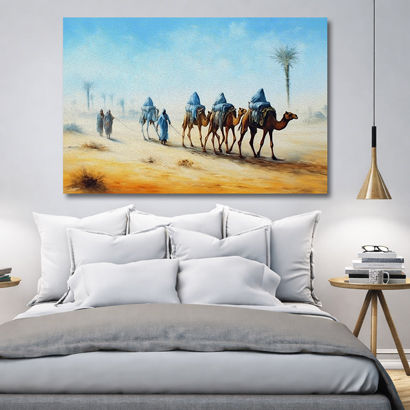
Alongside the tribal portraits, this collection includes canvas art inspired by African cultural heritage — bold pattern work, warm colour palettes, and scenes that celebrate community and tradition. These pieces suit a global or eclectic interior style and work equally well in a living room or a creative office space.
Village Life and Folk Dance Scenes
Rounding out the collection are rustic village scenes and folk dance paintings that capture everyday rural life. These are a good fit if you want wall art with a strong sense of story and movement, rather than a purely decorative pattern.
Styles Available: Abstract, Monochrome, and Vibrant
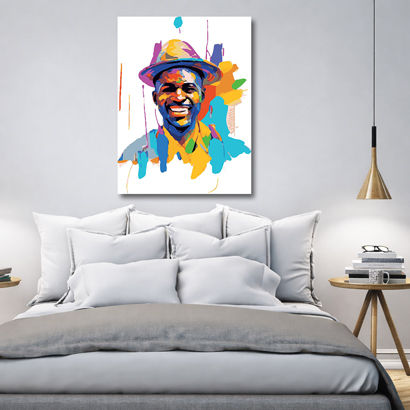
Not every design in this collection looks the same. Some are rendered as clean black-and-white monochrome portraits for a minimalist look, others use abstract brushwork for a more contemporary feel, and several use rich, saturated colour for a bold focal-point piece. This range means you can pick a design that fits your existing colour scheme rather than redecorating around the art.
Where This Art Fits in Your Home
These designs work in a living room as a conversation-starting feature wall, in a home office or workspace for a creative energy boost, or in an entryway to set a distinctive first impression. Because the collection spans both bold and subdued styles, you can choose a piece that either stands out or blends into a quieter colour palette.
Materials, Sizes, and Display Formats
Every canvas in the Ethnic Essence collection is printed on durable, fade-resistant canvas and offered in a range of sizes, from compact pieces suited to a hallway up to large statement canvas art for a bigger wall. Choose from three display formats — Roll Canvas, Ready to Hang (fitted with a wood frame), or Floating Frame — depending on whether you want to frame it yourself or hang it straight out of the box.
Caring for Your Ethnic Essence Canvas
Dust gently with a soft, dry cloth and keep the print out of direct, harsh sunlight to preserve the colours over time. Avoid wet cleaning methods, since moisture can affect the canvas surface. With basic care, these prints hold their colour and texture for years.
Why Tribal and African-Inspired Art Works in Modern Indian Homes
Indian interior design has always borrowed confidently from many cultures, and tribal and African-inspired art fits naturally into that mix. These designs bring texture, warmth, and a sense of craft into a room without needing an entire redecorating project — a single canvas can shift the mood of a plain wall in minutes. Because the subject matter is universal (community, culture, everyday life) rather than tied to one specific religion or region, this collection also works well in shared spaces like a living room, a clinic waiting area, a café, or a co-working office where you want art that feels warm and grounded without being tied to any one belief system.
Pairing Ethnic Essence Canvas with Your Existing Décor
If your home already leans toward warm, earthy tones — rust, ochre, deep brown, olive — the bolder, colour-rich pieces in this collection will sit comfortably alongside your existing furniture and textiles. If your space is more neutral or monochrome, the black-and-white tribal portraits and minimalist line-art pieces add character without clashing with a grey, white, or beige colour scheme. A useful rule of thumb: pick one bold, colourful piece as a single focal point in a mostly neutral room, or choose two to three coordinated monochrome pieces if you want a gallery-wall effect above a sofa or bed.
A Thoughtful, Distinctive Gift
Because these designs are less commonly seen than typical floral or landscape wall art, an Ethnic Essence canvas also makes a distinctive housewarming or festive gift for someone who already has the more conventional decor pieces. A tribal portrait or an African heritage-inspired print signals a bit more intention and personality than a generic print, which is part of why these designs have become a growing category on Canvas Groove.
Print Quality You Can Rely On
Every canvas in this collection is printed in-house using fade-resistant inks on a durable poly-cotton canvas base, so the fine detail in a tribal portrait or the texture in a village scene comes through clearly rather than looking flat or washed out. Colours are calibrated to hold up over years of normal indoor light exposure, and the canvas itself resists sagging or warping when mounted using any of our three frame options.
Room-by-Room: Where Each Style Works Best
Living room: a large, colour-rich African heritage or tribal portrait piece works well as a single feature wall behind a sofa or console, especially in a room that already has warm wood tones or leather furniture. Home office or study: the monochrome and minimalist tribal line-art pieces add personality without becoming a distraction during video calls, which is why several customers pick these specifically for a home-office backdrop wall. Entryway or hallway: a mid-sized folk-dance or village-scene canvas creates a strong first impression as guests walk in, without needing the wall space a large living-room piece would need. Bedroom: the softer, more muted monochrome portraits tend to work better than the boldest colour pieces, since a bedroom generally benefits from calmer wall art. Dining area: a village-life or folk-dance scene adds warmth and conversation value to a dining wall, particularly in an open-plan home where the dining area is visible from the living room.
How to Choose the Right Piece
Start with your wall size rather than the design itself — measure the space and pick a canvas size that leaves a reasonable margin of empty wall around it rather than one that only just fits. Next, consider whether you want the art to be the boldest thing in the room (in which case pick a bright, high-contrast piece and keep everything else in the room simple) or a supporting element (in which case a monochrome or muted piece blends in better). Finally, think about upkeep: rooms with more direct sunlight, like a west-facing living room, will do better with the Ready to Hang or Floating Frame finish, since the wood backing helps the canvas keep its shape over time compared to an unframed roll canvas hung loosely.
Not Looking for Tribal or African Art?
If you searched for this page while looking for devotional canvas art such as a Lord Shiva or Shiv Parvati painting, browse our Mahadev Ji and Parvati Maa collection instead. Looking for calm, meditative wall art rather than cultural or tribal themes, our Buddha Canvas collection may be a better fit. And if you want landscapes, forests, or floral pieces, our Nature Canvas collection covers that ground. Ethnic Essence is specifically the tribal, African-heritage, and folk-life corner of our catalogue.
Tribal-Inspired Art vs African Heritage Art: What Is the Difference Here?
Within this one collection you will find two related but distinct visual themes. Some pieces are tribal-inspired portraits and scenes with a more universal, folk-art feel — strong silhouettes, bold patterning, and earthy colour choices that do not point to one specific region. Other pieces are explicitly African heritage designs, drawing on African cultural motifs, colour palettes, and community scenes. Both sit comfortably together on a gallery wall or as standalone statement pieces, but if you are shopping specifically for African-themed decor, look for the product titles that mention African heritage or African culture directly, since a few of the more abstract tribal pieces are intentionally region-neutral.
Shipping and Delivery for Ethnic Essence Canvas
Every order in this collection ships from our facility with the same free-shipping threshold as the rest of Canvas Groove — free delivery on orders above ₹999, with delivery typically completed within a standard shipping window across India. Each canvas is packed flat and rigid to prevent bending or creasing in transit, so a Ready to Hang or Floating Frame piece arrives in the same condition it left our workshop.
Frequently Paired Collections
Customers who buy from Ethnic Essence often also browse our City Canvas collection for a global-travel contrast piece, or our Wildlife Canvas collection when they want to extend the same earthy, natural colour palette into another room. If you liked the monochrome tribal portraits here, the black-and-white pieces in our Wildlife Canvas collection follow a similar visual language and can be hung together for a coordinated look across two rooms.